Best Social Media Scheduling Tools for Faster Planning, Approval, and Publishing
Discover the essential features and capabilities of top social media scheduling tools to enhance your team's planning, approval, and publishing processes, ensuring a more streamlined and efficient workflow. Whether you’re a solo marketer or part of a larger team, find the right tool that aligns with your specific content needs.
PostlessSeptember 10, 202613 min read

Introduction: what to look for in the best social media scheduling tools
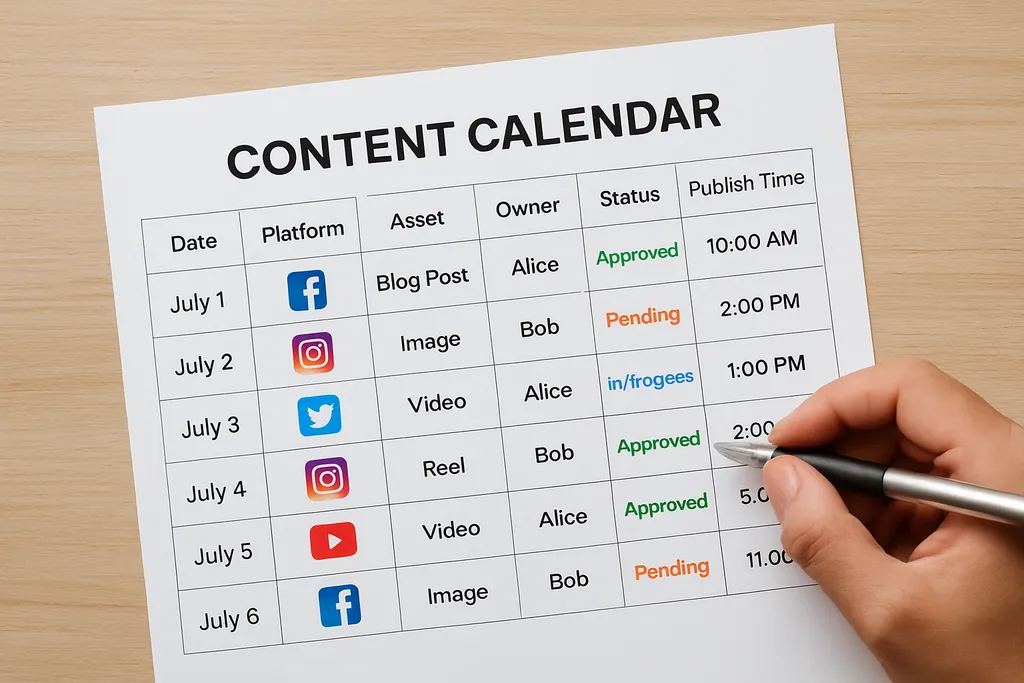
The best social media scheduling tools do more than queue posts. For modern content teams, they sit at the center of the planning process: turning rough campaign ideas into a clear calendar, routing drafts through approvals, publishing on time, and showing what worked afterward.
That matters because social publishing is rarely a one-person job anymore. A solo marketer may need speed and simplicity. A small team may need a shared calendar and light approval steps. Agencies often need client review, reporting, and multi-brand organization. Larger teams usually want deeper collaboration, permission controls, and analytics across many channels.
In other words, this guide is not just a feature roundup. It focuses on workflow fit: how well a tool supports planning, approval, publishing, analytics, and collaboration without adding unnecessary friction. If you are looking for the best social media scheduling tools, the right choice depends less on “who has the most features” and more on “which tool matches how your team actually works.”
For teams building a repeatable workflow, scheduling also connects closely with content operations. A good scheduler helps you reduce last-minute posting, reuse ideas more effectively, and keep brand voice consistent. If that is part of your process, you may also want to explore Automating Social Media Posts: A Practical Workflow for Consistent Publishing.
Quick Comparison of the Best Social Media Scheduling Tools

Below is a scannable overview of the top options, organized by workflow strength and team needs.
| Tool | Best for | Calendar & planning | Approvals | Analytics | Collaboration | Best fit |
|---|---|---|---|---|---|---|
| Buffer | Beginners, solo marketers, small teams | Strong | Light | Solid | Basic | Simple scheduling and easy publishing |
| Hootsuite | Larger teams, multi-network management | Strong | Strong | Strong | Strong | Enterprise-style publishing and monitoring |
| Sprout Social | Teams that need premium reporting and collaboration | Strong | Strong | Very strong | Strong | Advanced workflow and reporting |
| Later | Creators and visual-first brands | Strong | Moderate | Moderate | Moderate | Instagram-first planning and visual calendars |
| Zoho Social | Small to mid-size teams | Strong | Moderate | Strong | Strong | Balanced scheduling and reporting |
| Metricool | Marketers who want scheduling plus reporting | Strong | Moderate | Strong | Moderate | Planning, analysis, and performance tracking |
| Planable | Agencies and approval-heavy teams | Very strong | Very strong | Moderate | Very strong | Review, collaboration, and client approvals |
| SocialPilot | Agencies and multi-account teams | Strong | Strong | Moderate | Strong | Bulk scheduling and multi-client management |
Quick take:
- Best for beginners: Buffer
- Best for agencies: Planable or SocialPilot
- Best for premium collaboration and reporting: Sprout Social
- Best for visual planning: Later
- Best for balanced value: Zoho Social or Metricool
Simple tools are usually easier to adopt, but advanced tools often bring better approvals, reporting, and governance. The right choice depends on how much structure your team needs.
The Best Social Media Scheduling Tools, Reviewed

1. Buffer
Buffer is one of the easiest scheduling tools to recommend for teams that want a clean, low-friction workflow. It earns a spot among the best social media scheduling tools because it keeps the core job simple: plan content, schedule posts, and publish consistently without making the interface feel crowded.
Ideal user: Solo marketers, freelancers, and small teams that want straightforward scheduling.
Standout features:
- Clear queue-based publishing
- Simple calendar planning
- Lightweight analytics
- Easy collaboration for small teams
Pros:
- Very easy to learn
- Fast for daily scheduling
- Good for maintaining consistency
- Strong choice for lean teams with limited training time
Cons:
- Not as deep in approvals or governance
- Limited for complex agency workflows
- Reporting is useful, but not highly advanced
Best use case:
Buffer is a strong fit if your team mainly needs to plan posts ahead, keep a steady cadence, and avoid manual publishing. It is especially useful when speed matters more than complex routing or reporting.
2. Hootsuite
Hootsuite is a long-standing platform for teams that need broader social media management, not just scheduling. It belongs on this list because it supports planning, publishing, monitoring, and reporting in a more operational workflow than lightweight schedulers.
Ideal user: Mid-size to large teams that manage multiple channels and need structure.
Standout features:
- Multi-network scheduling
- Team collaboration
- Monitoring and inbox-style workflows
- Analytics and reporting
Pros:
- Strong all-in-one platform
- Good for larger content and social teams
- Useful when publishing and monitoring live conversation are both important
Cons:
- Can feel heavy for small teams
- Setup and workflow management take more effort
- May include more complexity than you need if your only goal is scheduling
Best use case:
Choose Hootsuite if your workflow requires more than a calendar. It is best for teams that coordinate publishing with community management and reporting across several channels.
For broader market context, Zapier’s roundup of top social tools also highlights Buffer, Hootsuite, and Sprout Social as common starting points for different team needs: The 10 best social media management tools in 2026 - Zapier.
3. Sprout Social
Sprout Social is often the premium choice for teams that want scheduling plus deeper reporting, collaboration, and workflow visibility. It is one of the best social media scheduling tools for organizations that care about process maturity and performance insights.
Ideal user: Marketing teams that need advanced collaboration and analytics.
Standout features:
- Strong publishing calendar
- Approval workflows
- Advanced analytics and reporting
- Team and customer engagement features
Pros:
- Excellent for cross-functional collaboration
- Strong reporting depth
- Good fit for teams managing many stakeholders
- Reliable for structured publishing workflows
Cons:
- Typically more expensive than simpler tools
- Can be more than a small team needs
- Feature depth may create a learning curve
Best use case:
Sprout Social works well if your social program is measured, reviewed, and optimized regularly. It is especially helpful when leadership wants reporting and the team needs a tool that supports that process.
4. Later
Later is a great choice for visual planning, especially on platforms where feed aesthetics and content sequencing matter. It deserves a place in this roundup because many teams do not just schedule posts—they plan how content looks and feels across a grid or campaign theme.
Ideal user: Creators, brand marketers, and visual-first teams.
Standout features:
- Visual content calendar
- Media organization
- Instagram-friendly planning
- Link-in-bio support
Pros:
- Great for visual content planning
- Easy to map campaigns ahead of time
- Helpful for Instagram-centric workflows
Cons:
- Less robust for advanced approvals
- Reporting and collaboration may be lighter than enterprise tools
- Not always the best fit for complex agency needs
Best use case:
Later is especially useful when your team cares about content sequence, aesthetics, and Instagram planning. If that is your priority, it pairs well with IG Stories: A Practical Guide to Planning, Scheduling, and Measuring Instagram Stories.
5. Zoho Social
Zoho Social is a practical choice for teams that want a balance of scheduling, collaboration, and reporting without moving into a premium enterprise setup. It belongs in the best social media scheduling tools list because it offers a good middle ground for growing teams.
Ideal user: Small to mid-size teams that want solid value.
Standout features:
- Scheduling calendar
- Team collaboration
- Reporting tools
- Multi-channel management
Pros:
- Balanced feature set
- Good fit for growing teams
- Useful reporting without excessive complexity
Cons:
- Interface may feel less polished than some competitors
- Advanced creative planning features are limited
- Not as agency-centric as some alternatives
Best use case:
Zoho Social is a sensible option if you need structure and analytics without paying for very advanced enterprise functionality.
6. Metricool
Metricool is strong for teams that want scheduling and performance analysis in one workflow. It stands out because it helps teams not only publish content but also review timing, engagement, and results afterward.
Ideal user: Performance-oriented marketers and small teams.
Standout features:
- Social scheduling
- Analytics and reports
- Multi-network planning
- Performance tracking
Pros:
- Good mix of scheduling and analytics
- Useful for optimization
- Practical for teams that test formats and posting times
Cons:
- Collaboration and approvals may be lighter than agency tools
- Not the most advanced for review workflows
- Can require some setup to fully use reporting
Best use case:
Metricool is a strong choice if you want to connect scheduling with measurement. It is especially helpful when you are refining timing, cadence, or content format based on real performance.
If timing is part of your publishing strategy, this guide can help you sharpen it: Best Time to Post on Instagram: How to Find the Right Window for Your Audience.
7. Planable
Planable is built for collaboration, and that makes it especially valuable for agencies and teams that need client approvals. It stands out because reviewing content is often as important as drafting it.
Ideal user: Agencies, client services teams, and approval-heavy workflows.
Standout features:
- Collaborative content review
- Client-friendly approvals
- Visual planning and commenting
- Multi-brand organization
Pros:
- Excellent for feedback and review cycles
- Very clear approval workflow
- Great for reducing email-based back-and-forth
Cons:
- Not always the deepest tool for analytics
- Best value comes when approvals are a real bottleneck
- Less focused on advanced reporting than some competitors
Best use case:
Planable is a smart pick if your team spends too much time chasing feedback or clarifying version changes. It helps turn review into a structured part of the publishing process.
8. SocialPilot
SocialPilot is a strong option for agencies and teams managing multiple client accounts. It earns its place because it emphasizes bulk scheduling, account organization, and scalable publishing workflows.
Ideal user: Agencies, consultants, and multi-account teams.
Standout features:
- Bulk scheduling
- Team collaboration
- Multi-account management
- Scheduling across major networks
Pros:
- Good for high-volume publishing
- Practical for agencies
- Helps manage many accounts efficiently
Cons:
- Analytics may not be as deep as premium platforms
- Interface and workflow may feel less refined than some competitors
- Best value shows up when account volume is high
Best use case:
SocialPilot is useful when the main challenge is managing volume across clients or brands. It helps content teams move faster without building a custom process from scratch.
How to Choose the Right Scheduler for Your Team

The best social media scheduling tools are the ones that solve your bottleneck.
Start with team size and workflow complexity. A solo marketer usually does not need a large approval system, while an agency or enterprise team often cannot function well without one. If your workflow includes multiple stakeholders, choose a tool that supports comments, roles, and approvals.
Next, look at what you actually need beyond publishing. Do you need:
- Auto-publish for routine content?
- Approval steps for legal, client, or leadership review?
- Asset libraries to keep creative organized?
- Analytics to measure performance and optimize timing?
- Collaboration features like task assignment and internal notes?
Then review your channel mix. Some teams mainly publish to Instagram and LinkedIn. Others also need TikTok, Facebook, X, Threads, or YouTube. Make sure your scheduler supports the networks that matter most now—not just the ones you might use someday.
Finally, decide whether the tool should replace multiple apps or simply speed up posting. If you need one platform for planning, scheduling, and reporting, invest in a more complete solution. If you only want to eliminate manual posting, a simpler scheduler may be enough.
Best Practices for Scheduling Content Without Losing Quality

Scheduling should make your process more consistent, not more robotic.
Build a weekly or monthly planning rhythm
Set a predictable planning cadence. Many teams benefit from a weekly review of upcoming posts and a monthly campaign planning session. That rhythm helps you stay ahead of deadlines.
Use content pillars and campaign themes
Content pillars make scheduling much easier. Instead of creating each post from scratch, map content to recurring themes such as education, product updates, customer stories, or thought leadership. That reduces last-minute work and keeps your calendar balanced.
Leave room for real-time publishing
A schedule should not be so packed that it blocks timely reactions. Leave capacity for live moments, trending topics, and community engagement.
Protect brand voice with templates and review
Templates, saved captions, and approval checkpoints help teams stay consistent. This is especially useful when multiple people contribute to the same calendar. If your team works across platforms, that consistency matters even more. For example, short-form copy style can vary a lot by channel, including techniques like those discussed in TikTok Emoji Strategy: How to Use Emojis in Captions, Comments, and Content Planning.
Use analytics to improve timing and cadence
Scheduling is not just about efficiency. It is also a testing system. Review what formats, time slots, and post types perform best, then adjust your calendar accordingly.
FAQ: common questions about social media scheduling tools
What is a social media scheduling tool?
It is software that helps you plan, queue, approve, and publish social posts from one place.
What features matter most in a scheduling tool?
Look for calendar planning, auto-publish, collaboration, approvals, analytics, and support for your main channels.
Are free scheduling tools enough for small teams?
They can be, if you only need basic scheduling. Growing teams usually need approvals, analytics, and better collaboration.
Should I choose a scheduler based on analytics or publishing features?
Choose based on your bottleneck. If planning is slow, prioritize calendar and workflow tools. If reporting is weak, prioritize analytics.
Can scheduling tools help protect brand voice?
Yes. Templates, approvals, and saved captions can help teams stay consistent across posts and channels.
How many social accounts can a scheduler manage?
It depends on the platform. Some tools are built for a few accounts, while others support larger multi-brand or agency setups.
Conclusion
The best social media scheduling tools are the ones that match your team’s workflow, not just your wish list. If you are a solo marketer, start simple. If you are a small team, focus on planning and light collaboration. If you are an agency or multi-brand team, prioritize approvals, reporting, and scalable account management.
A good next step is to map your workflow, list the features you truly need, and test two or three platforms before committing. That approach will help you choose a scheduler that makes planning faster, approvals smoother, and publishing more reliable—without adding unnecessary complexity.