What Does Postless Mean? A Practical Guide to Planning Social Content Without the Chaos
Discover how adopting a postless workflow can transform your social content strategy, streamline approvals, and enhance team collaboration, ultimately making the publishing process more efficient and less chaotic.
PostlessSeptember 18, 202611 min read

If you have heard the term postless and wondered whether it means posting less, the short answer is no.
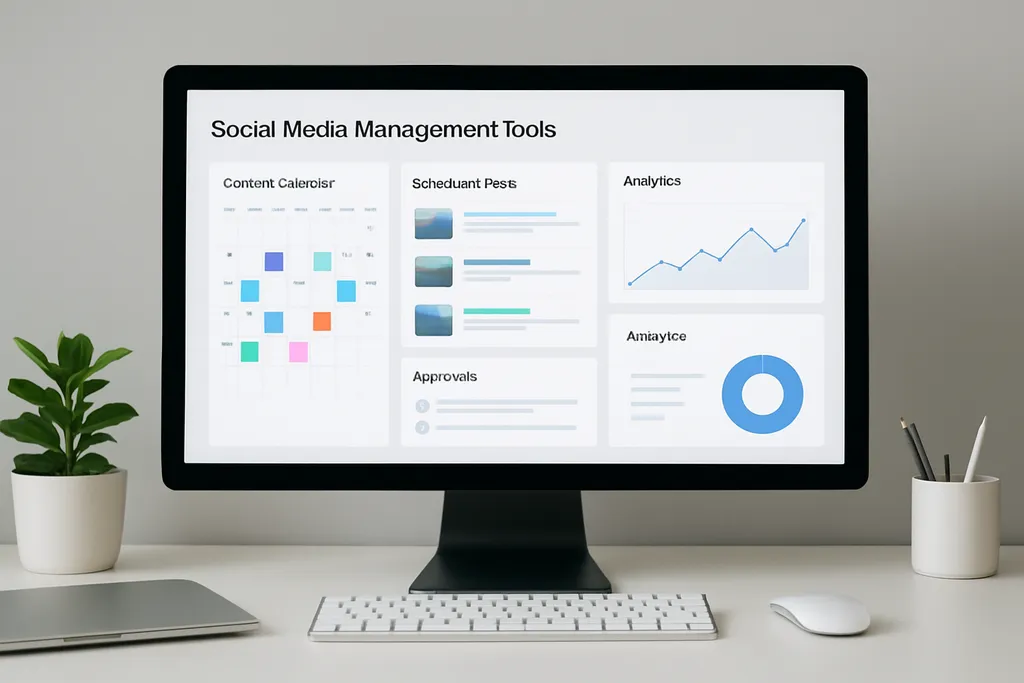
In modern content teams, postless usually describes a workflow built around planning, drafting, approving, and scheduling social content before it goes live. It is a practical way to reduce last-minute chaos, keep messaging consistent, and make publishing feel less like a daily scramble.
For marketers, founders, and agencies, the appeal is simple: fewer one-off decisions, fewer bottlenecks, and more control over what gets published and when. Instead of treating every post like a separate project, a postless workflow turns social content into a repeatable system.
That matters because social teams rarely struggle with ideas alone. They struggle with handoffs, approvals, timing, and reuse. Postless is the shorthand for solving that operational mess.
What does postless mean?

At its core, postless means planning and scheduling social content in a structured workflow instead of creating posts one at a time.
The goal is not to remove posting. It is to reduce manual publishing work and cut down on the number of decisions you need to make at the last minute. In a postless workflow, content is not written in a rush five minutes before it goes live. It is created ahead of time, reviewed in context, and scheduled with a clear purpose.
That makes postless a useful term for modern social content operations. It describes a process where teams work with a shared plan, not a stream of disconnected requests.
A postless system usually includes:
- A place to capture ideas
- A way to turn ideas into drafts
- A review or approval step
- A scheduling step
- A process for reusing content later
If you want a deeper breakdown of planning and workflow structure, see Content Marketing Workflow Tips That Make Social Planning Faster and How to Plan Content for Social Media: A Practical Workflow for Consistent Publishing.
What is a postless post?
A postless post is content created inside a system, not as an isolated one-off.
That sounds subtle, but it changes how teams work. In a traditional setup, someone has an idea, writes a caption, gets feedback in a chat thread, and posts it manually when they remember. A postless post is different. It usually starts from a campaign, a content pillar, or a recurring format that already has structure.
For example:
- A product insight becomes a LinkedIn post
- That same idea becomes an X thread
- The core message becomes an Instagram caption
- A supporting visual gets reused across platforms
The post is not just a single asset. It is an output of a workflow.
Here is a simple example. Let’s say your team wants to share one product takeaway: “automation saves time when approvals are centralized.”
From that one idea, a postless system might produce:
- A LinkedIn post for B2B decision makers
- An X thread with short tactical tips
- An Instagram caption focused on a simple before/after workflow
- A scheduled reminder post for next week with a new angle
That is the value of postless: one strong idea becomes a set of coordinated posts instead of a pile of duplicated effort.
Why teams switch to a postless workflow
Teams usually do not switch to postless because they want a new buzzword. They switch because the old way is slow and fragile.
1. Fewer bottlenecks when multiple people touch content
When writers, designers, approvers, and social managers all touch the same post, manual coordination becomes a problem fast. Postless workflows reduce that friction by putting the process in one place.
Instead of asking, “Who has the latest version?” the team works from a shared draft and a shared calendar.
2. Better consistency in brand voice and messaging
A postless workflow makes it easier to keep tone, claims, and CTAs aligned across channels. That matters when you are publishing frequently or running campaigns that need one clear message.
When content is planned ahead, it is easier to check whether each post supports the same goal instead of drifting into random, unrelated updates.
3. Easier scheduling across channels and time zones
If your team posts to multiple platforms or works across regions, manual publishing gets messy quickly. A postless process lets you schedule ahead and keep content moving even when the team is offline.
That is especially useful for launch weeks, event campaigns, and recurring series.
4. More time for strategy and performance review
When publishing is less manual, marketers get time back for the work that actually improves results: testing hooks, reviewing performance, refining messaging, and updating the content plan.
If you are interested in tighter scheduling and planning systems, read Social Media Content Calendar Template: A Practical Workflow for Planning, Scheduling, and Publishing Faster and Effective Strategies for Content Scheduling That Keep Your Marketing Consistent.
5. Less pressure to create from scratch every day
A postless workflow also reduces the “what do we post today?” problem. Instead of starting from zero, teams work from an approved backlog of ideas, drafts, and reusable formats.
That makes the process more sustainable, especially for lean teams.
The postless workflow: from idea to scheduled post

A postless workflow is strongest when it is simple enough to repeat. The point is not to build bureaucracy. The point is to make content easier to move from idea to published post.
1. Capture ideas quickly in one place
Start with a single source of truth for content ideas. That could be a shared board, a spreadsheet, a content tool, or a campaign workspace.
The important part is speed. If your team has to search through Slack, docs, and email to find ideas, the workflow breaks before it starts.
Capture things like:
- Product updates
- Customer wins
- Founder insights
- FAQs from sales calls
- Support questions
- Industry observations
- Campaign themes
2. Turn ideas into briefs or draft posts
Once an idea is captured, turn it into something usable. That might be a simple brief with:
- Audience
- Goal
- Platform
- Hook
- CTA
- Asset needs
- Deadline
For repeatable formats, a brief may be enough. For higher-stakes campaigns, you may need a full draft and visual direction.
If your team wants a practical structure for this step, Social Media Marketing: A Practical Planning and Scheduling Guide for Modern Teams is a useful next read.
3. Review for clarity, brand voice, and approvals
This is where postless saves time. Instead of giving feedback after a post is already half-published in someone’s head, teams review content before it goes live.
A clean approval flow usually checks:
- Is the message clear?
- Does it match brand voice?
- Are the claims accurate?
- Is the CTA specific?
- Does the visual support the post?
Keep the review process lightweight. The more approval layers you add, the more you recreate the chaos postless is meant to solve.
4. Schedule posts in advance and reuse approved content
Once approved, schedule the post. If the content is strong, reuse it across channels with platform-specific edits.
That is where postless becomes a performance lever. One approved message can be adapted into several versions:
- A short social post
- A long-form caption
- A carousel outline
- A founder post
- A reminder post later in the campaign
For teams handling many channels, How to Schedule Posts for Multiple Platforms Without Creating Extra Work and Automating Social Media Posts: A Practical Workflow for Consistent Publishing are worth reviewing.
5. Track what worked and feed results back into planning
A postless workflow should not stop at publishing. Review performance and use the data to improve the next batch.
Look for:
- Strong hooks
- Best-performing formats
- Topics that drove saves or clicks
- Posts that created replies or DMs
- Assets that worked across platforms
Then update the content plan accordingly. A good postless system gets smarter every week.
Examples of postless workflows for different teams

The term postless is useful because it works for different kinds of teams, not just enterprise marketing departments.
A founder batching thought-leadership posts for the week
A founder does not need to write in public every morning from scratch. A postless workflow lets them batch ideas once a week, turn them into drafts, review the tone, and schedule the posts in advance.
That keeps the founder visible without turning posting into a daily interruption.
A marketing team planning a launch campaign across multiple channels
Launches tend to break ad hoc workflows. There are too many moving parts: teaser posts, launch-day content, follow-ups, customer proof, and reminder posts.
A postless system helps the team map the entire sequence before anything goes live. That creates better timing and fewer dropped balls.
An agency managing client approvals and shared calendars
Agencies need visibility and repeatability. A postless workflow gives them one place to organize drafts, approvals, and publishing dates across clients.
Instead of chasing feedback in different channels, the agency can manage content in a structured pipeline.
A lean team reusing one strong message across several formats
Smaller teams often do not have the capacity to create everything from scratch. Postless helps them stretch one strong idea into multiple formats without adding busywork.
That matters when the team needs to stay active on social but cannot afford to reinvent the wheel every day.
How Postless fits into a postless content system

If you are building a postless workflow, the right tool should help you organize ideas, coordinate approvals, and keep publishing moving without extra manual effort.
That is where Postless fits in.
Postless helps teams:
- Organize content ideas in one place
- Plan campaigns before publishing starts
- Schedule social content ahead of time
- Reduce manual follow-up
- Keep stakeholders aligned on what is approved and what is next
For teams that need more visibility, less scrambling, and a repeatable process, Postless turns the idea of a postless workflow into something practical.
It is especially useful when publishing depends on multiple people. Instead of asking someone to remember the next step, Postless makes the next step obvious.
If your team is still balancing drafts in documents and approvals in chat threads, that is usually where the pain starts. A postless system replaces that chaos with a shared process.
You may also find Best Social Media Scheduling Tools for Faster Planning, Approval, and Publishing useful if you are comparing tools for a more structured workflow.
Getting started with a postless approach
You do not need to rebuild your entire content process to go postless. Start with one recurring content type and make it repeatable.
A simple way to begin:
- Pick one content format you publish often
- Define how ideas get captured
- Write a basic brief template
- Set one approval step
- Schedule one batch ahead of time
- Review results after it publishes
From there, expand the system only when the team is ready.
A few practical tips:
- Build a shared source of truth for ideas and assets
- Keep approvals short and specific
- Reuse high-performing posts instead of starting over
- Batch content by campaign or pillar, not just by date
- Protect time for review and iteration
The best postless systems are not complicated. They are consistent.
FAQ
What does postless mean?
It means planning and scheduling social content in a structured workflow instead of creating posts one at a time.
Is a postless post a real post?
Yes. It is simply a post created through a repeatable process, usually with planning, review, and scheduling already built in.
Does postless mean posting less often?
No. It usually means posting more consistently with less manual effort.
Who benefits from a postless workflow?
Marketing teams, founders, and agencies that need to publish regularly and keep messaging consistent.
How do I start with postless?
Start by organizing ideas, defining a simple approval flow, and scheduling one content batch ahead of time.
Final takeaway
Postless is a practical way to think about social content operations. It means planning before publishing, reducing manual work, and building a workflow that keeps content moving without constant firefighting.
If your team is tired of last-minute captions, scattered approvals, and rushed scheduling, a postless approach is a smart place to start.
Use one repeatable process, keep the handoffs clear, and make every post part of a system. That is how content becomes easier to manage — and easier to scale.
If you are ready to build that workflow, Postless can help you organize ideas, schedule content, and turn a postless concept into a reliable publishing process.